
Beyond Chatbots: How Multi-Agent AI Systems Are Replacing Manual Workflows
We have all been there. You open ChatGPT and paste a massive prompt: "Read this PDF, extract the data, analyze the market trends, write a summary, and draft an email to the client."
The result? Mediocre. The AI forgets steps, hallucinates data, or writes a generic email.
Why? Because you are asking one entity to be the Researcher, the Analyst, and the Copywriter all at once. Even a human genius struggles to multitask that heavily.
Enter Multi-Agent Systems (MAS). This is the architecture that powers the most advanced automations at Solumize, and it is changing how businesses operate.
What is a Multi-Agent System?
Think of a standard LLM (like GPT-4) as a very smart freelancer. They are good at general tasks, but if you give them a complex project, they get overwhelmed.
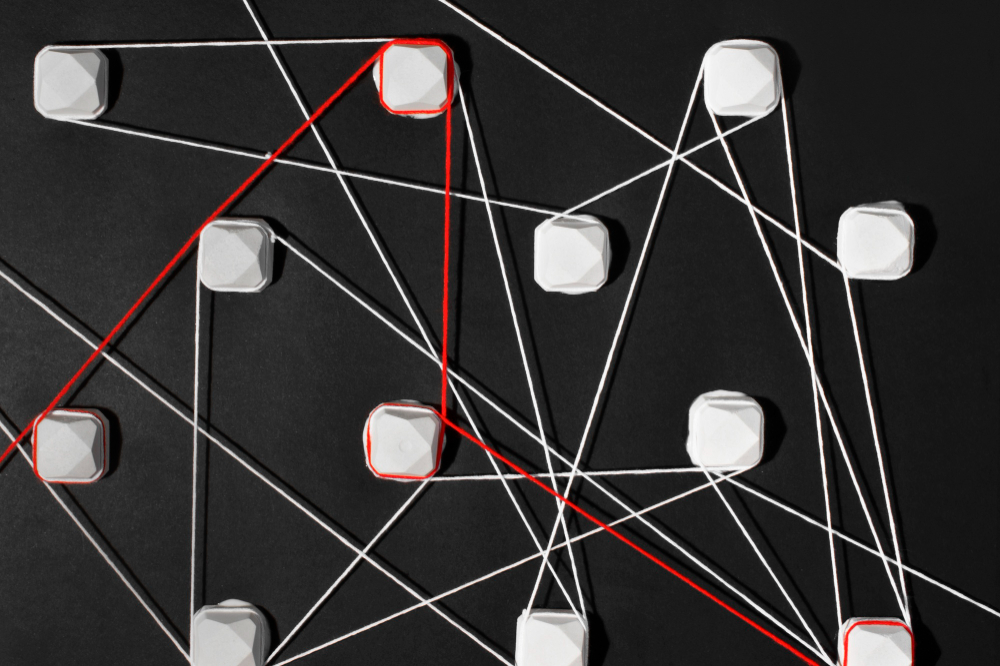
A Multi-Agent System is like a company department. Instead of one AI trying to do everything, we create several specialized "Agents," each with a specific role, tools, and a goal. They talk to each other to solve a problem.
+1
The "Digital Squad" Analogy
Imagine you want to automate your Sales Outreach. Here is the difference:
- The Old Way (Single LLM): You ask one AI to "Find leads and write emails." It tries to do both poorly.
- The Solumize Multi-Agent Way:
- Agent A (The Researcher): Accesses the web and LinkedIn. Finds 50 qualified leads. Passes the data to Agent B.
- Agent B (The Strategist): Analyzes the leads' recent posts and news. Decides the "hook" for the message. Passes instructions to Agent C.
- Agent C (The Copywriter): Writes a personalized email based on Agent B's strategy.
- Agent D (The CRM Manager): Connects to HubSpot/Salesforce and logs the activity.
None of them get tired. None of them lose focus. They coordinate perfectly.
Why Multi-Agents are Superior for Business
1. Specialization Reduces Errors
When an AI agent has only one job (e.g., "Check the inventory in the SQL database"), it performs with near-perfect accuracy. It doesn't get distracted by trying to write poetry or analyze sentiment simultaneously.
2. Self-Correction (The "Manager" Agent)
In a multi-agent workflow, we often introduce a Critic Agent. Before an email is sent or a report is finalized, the Critic Agent reviews the work of the other agents. If it finds an error, it sends it back for revision automatically. This mimics a human review process.
3. Complex Tool Usage
Agents can be given specific tools.
- Agent A has access to Google Search.
- Agent B has access to your Internal Notion.
- Agent C has access to Stripe.This separation ensures security and efficiency.
How Solumize Implements Multi-Agent Workflows
At Solumize, we don't just give you a login to a chatbot. We engineer Digital Workforces.
Using platforms like Solumize Control Hub, we orchestrate these agents to handle operations that used to require a team of humans:
- Automated Reporting: Agents gather data from Ads, Sales, and Finance, reconcile the numbers, and generate a PDF report.
- Customer Onboarding: One agent validates the contract, another sets up the user account, and a third schedules the welcome call.
- Content Factory: Agents research topics, draft SEO articles, generate images, and format them for your CMS.
Is Your Business Ready for Agents?
If your team is drowning in repetitive tasks that require multiple steps to complete (click here, copy this, paste there, think about X, send email), a standard automation isn't enough. You need intelligence in the loop.
You don't need more software. You need better workers.
Discover Solumize AI Assistants and let's build your first autonomous team.