


AI Agents in Action: Transforming Real Estate, Healthcare, and Retail with Intelligent Lead Capture
Artificial Intelligence (AI) is reshaping industries at an unprecedented pace. Its impact is profound in real estate, healthcare, and retail.
AI agents are at the forefront of this transformation. They automate and optimize lead capture processes, enhancing efficiency.
In real estate, AI predicts market trends and property values, aiding decision-making. Healthcare benefits from AI through improved patient data analysis and personalized care.
Retail technology leverages AI for better customer experiences and insightful analytics. These advancements are not just futuristic concepts; they are happening now.
As AI continues to evolve, its potential to revolutionize these sectors grows. Embracing AI is crucial for staying competitive in today's fast-paced world.
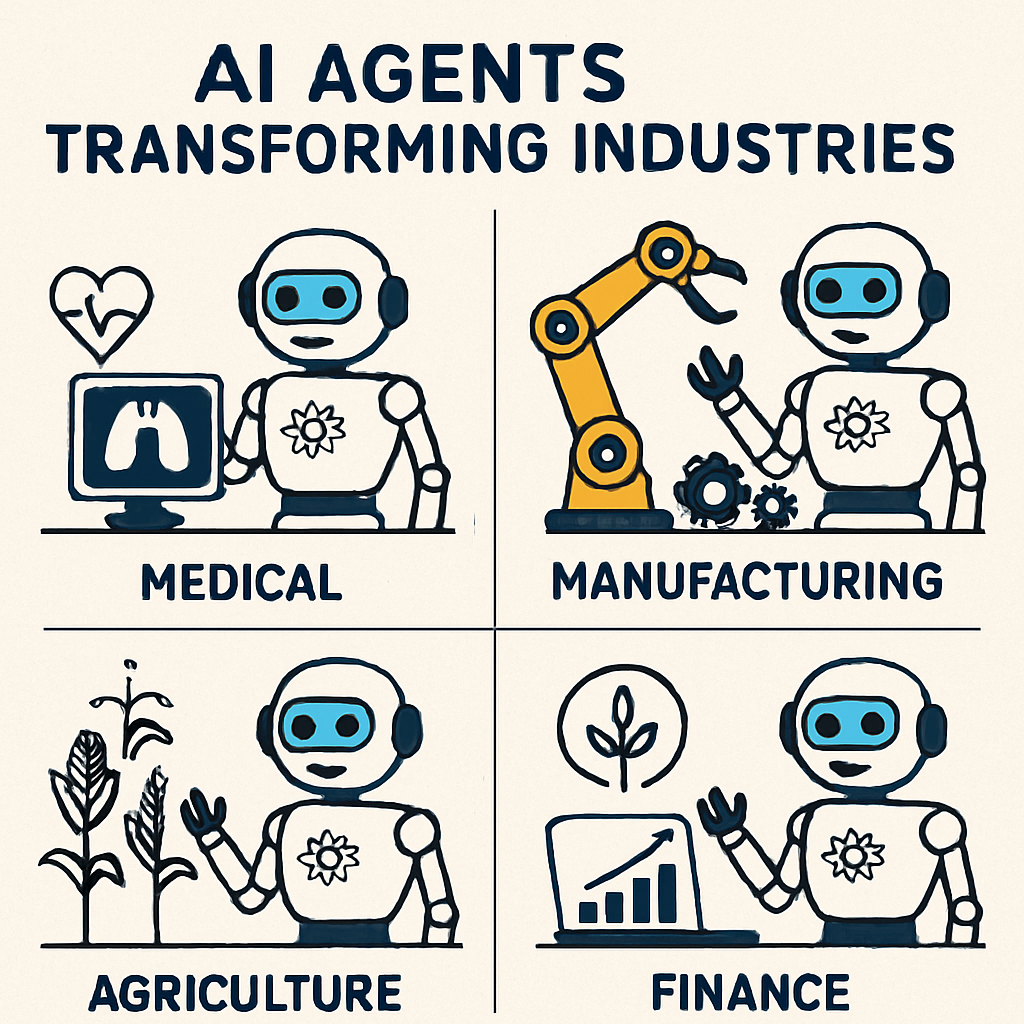
The Rise of AI Agents: A New Era for Lead Capture
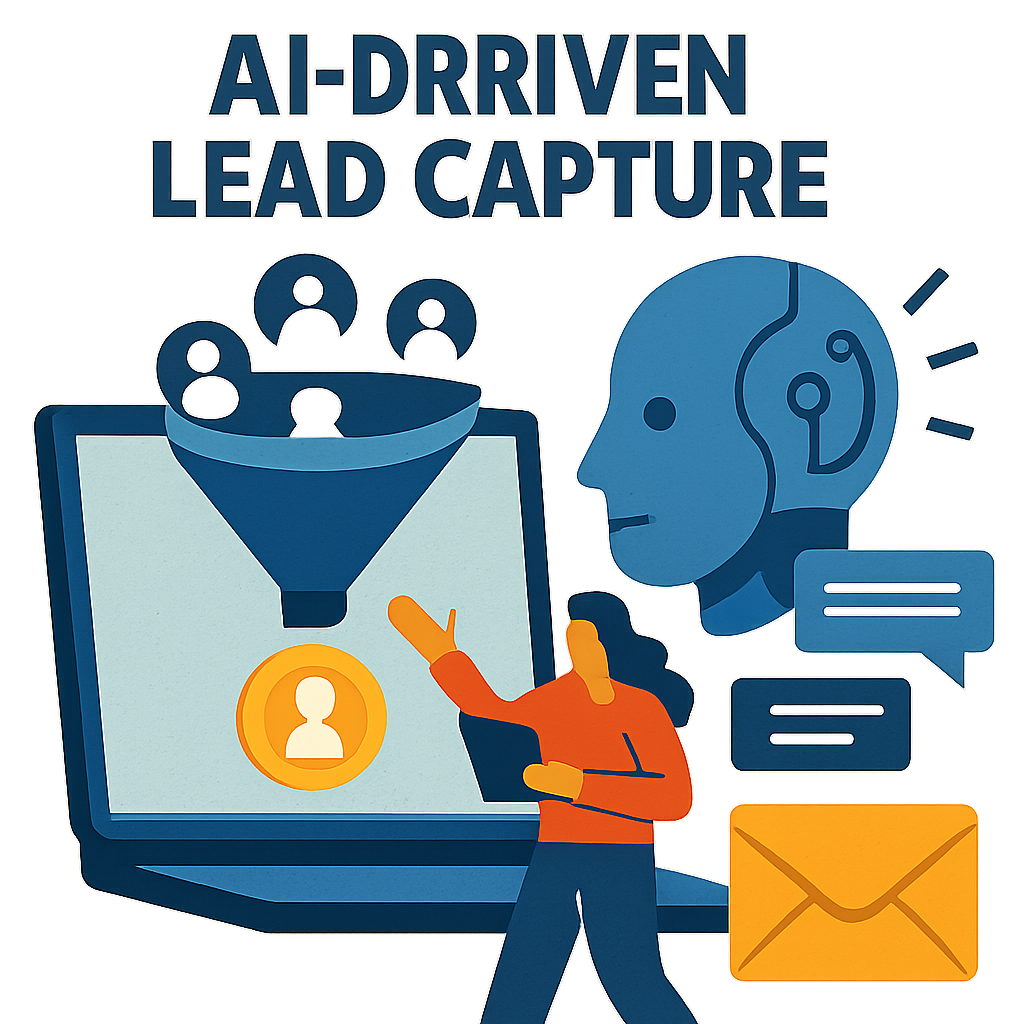
The adoption of AI agents marks a new phase for lead capture. These intelligent systems automate tasks that were once manual, offering speed and precision.
AI-driven tools capture and analyze leads more effectively. By doing so, they improve how companies approach potential clients across industries.
Several benefits of AI agents in lead capture include:
- Enhanced efficiency through automation
- More precise targeting of potential clients
- Increased conversion rates with tailored strategies
These agents process vast data quickly, delivering actionable insights. They improve business outcomes by enhancing decision-making processes.
The impact of AI agents is visual and transformative. Companies that adopt these tools gain a competitive edge in their sectors.
AI in Real Estate: Smarter Lead Capture and Enhanced Client Experiences
AI is reshaping the real estate landscape with smarter lead capture. It allows realtors to target and engage potential buyers more effectively.
AI tools analyze market trends to predict property values. This makes investment decisions more informed and timely.
The adoption of AI in real estate offers numerous benefits:
- Data-driven property valuations
- Improved customer engagement
- Streamlined communications with potential buyers
Advanced algorithms identify high-value leads, prioritizing follow-ups. This ensures agents focus on nurturing crucial client relationships.
Furthermore, these tools automate mundane tasks, freeing agents to provide personal service. Clients benefit from a seamless and responsive experience.
AI's influence reaches beyond initial engagements, leaving a lasting impact on real estate operations.

by Jon Tyson (https://unsplash.com/@jontyson)
AI-Driven Market Analysis and Property Valuation
AI technologies enhance market analysis and property valuations. These tools provide real-time insights into shifting market conditions.
Benefits of AI in market analysis include:
- Accurate forecasting of real estate trends
- Enhanced understanding of property market dynamics
- Improved decision-making through predictive analytics
By identifying emerging patterns, AI helps mitigate investment risks. It assists in uncovering lucrative opportunities that traditional methods might miss.
Intelligent Chatbots and Automated Communication
Intelligent chatbots transform customer interactions in real estate. They offer immediate responses and handle inquiries round-the-clock.
Key benefits of chatbot integration:
- Enhanced customer support availability
- Faster response times to client questions
- Smooth communication between agents and prospects
Chatbots automate routine communication, letting agents handle complex tasks. They help maintain a high level of client engagement and satisfaction.
Streamlining Transactions and Post-Sale Engagement
AI not only captures leads but also streamlines transactions. It reduces the time spent on paperwork, speeding up the entire process.
Post-sale, AI tools continue to engage clients by providing valuable updates. They help maintain long-term relationships and ensure client satisfaction.
AI in Healthcare: Revolutionizing Patient Engagement and Data-Driven Care
AI is revolutionizing healthcare by transforming patient engagement. Intelligent systems enhance both patient interactions and care delivery.
Healthcare AI applications include advanced data analysis for predictive diagnostics. These insights contribute to personalized treatment plans, improving patient outcomes.
The role of AI in healthcare offers several advantages:
- Streamlined patient interactions
- Efficient data management
- Enhanced diagnostic accuracy
Moreover, AI reduces administrative burdens, enabling healthcare providers to focus more on patient care. It automates routine tasks, increasing operational efficiency.
AI also facilitates telemedicine, offering remote patient monitoring. This expands access to care beyond traditional hospital settings.

by Alex Knight (https://unsplash.com/@agk42)
Predictive Diagnostics and Personalized Treatment
AI applications in healthcare enhance diagnostic precision. It provides personalized treatment options based on comprehensive data analysis.
Key advantages of AI-driven diagnostics:
- Early disease detection
- Accurate patient risk assessment
- Customized treatment strategies
This technology supports clinicians in identifying potential health issues earlier. Personalized approaches can improve patient outcomes significantly.
Reducing Administrative Burden and Improving Outcomes
AI alleviates healthcare administrative tasks. It streamlines processes such as patient record management and appointment scheduling.
Benefits of AI in healthcare administration:
- Reduced paperwork
- Timely patient data access
- Improved resource allocation
AI tools allow healthcare professionals to dedicate more time to patient interaction. This results in better care and enhanced patient satisfaction.
Supporting Telemedicine and Remote Monitoring
Telemedicine benefits from AI's capabilities. AI supports continuous patient monitoring, ensuring timely interventions when needed.
Through remote monitoring, healthcare providers gain real-time insights into patient health. This helps manage chronic conditions and respond promptly to medical needs.
AI in Retail: Intelligent Lead Capture, Retail Technology, and Analytics
AI is reshaping the retail industry by enhancing both customer experience and operational efficiency. Intelligent lead capture allows retailers to identify and engage potential customers more effectively. Through AI, retailers can personalize interactions, offering tailored recommendations that resonate with customer preferences.
Key benefits of AI in retail include:
- Improved customer satisfaction
- Enhanced loyalty through personalized services
- Streamlined operations and increased sales
AI-driven retail technology leverages data for better decision-making. With retail analytics, businesses gain insights into consumer behavior, allowing them to adapt strategies to meet market demands.
Retailers utilizing AI can optimize inventory and implement dynamic pricing. This ensures that products meet consumer demand efficiently while maximizing profitability. Ultimately, AI helps retailers innovate and maintain a competitive edge.
Personalization and Customer Experience
AI enhances the retail customer experience by offering personalized interactions. Retailers can leverage AI to tailor product recommendations and communication.
Benefits of personalization include:
- Higher customer engagement
- Increased conversion rates
- Stronger brand loyalty
By understanding individual preferences, retailers can create a more engaging and tailored shopping journey, leading to greater customer satisfaction.
Retail Analytics: Understanding Consumer Behavior
Retail analytics powered by AI offers a deep dive into consumer behavior. It helps retailers understand shopping patterns and preferences.
Key insights from retail analytics include:
- Customer purchasing trends
- Popular product categories
- Effective marketing strategies
These insights enable retailers to refine their approach, ensuring offerings align with market demand and customer expectations.
Inventory Optimization and Dynamic Pricing
AI aids in optimizing inventory management. It ensures stock levels are aligned with consumer demand, reducing waste and overstocking.
Additionally, AI supports dynamic pricing, adjusting prices based on real-time market data. This approach maximizes sales and maintains competitive pricing. AI-driven strategies help retailers adapt swiftly to market changes, enhancing profitability.
Overcoming Challenges: Ethics, Privacy, and Integration
As AI becomes more embedded in various industries, ethical considerations arise. Ensuring AI respects privacy and data security is crucial. Businesses must handle customer data transparently to maintain trust.
Implementing AI also poses integration challenges. Systems need to harmonize with existing infrastructures. Achieving smooth integration often requires collaboration between AI developers and industry experts.
Key challenges include:
- Safeguarding data privacy
- Addressing ethical concerns
- Seamless integration with current systems

by Lianhao Qu (https://unsplash.com/@lianhao)
By addressing these challenges, companies can leverage AI’s potential while upholding ethical standards.
The Future of AI Agents: Trends and Opportunities Across Industries
AI technology is advancing rapidly, opening new avenues for innovation. Industries are keen to explore these opportunities for growth and efficiency. The potential for AI to reshape traditional business models is immense.
Companies adopting AI stand to gain a competitive edge. With deeper integration, AI can drive more personalized and efficient operations. This evolution will likely see AI intersecting with other emerging technologies.
Future trends include:
- Enhanced predictive analytics
- Greater automation
- Improved personalization

by Kajetan Sumila (https://unsplash.com/@kajtek)
As AI continues to evolve, businesses must stay agile. Embracing these trends can lead to more innovative and responsive strategies.
Conclusion: Embracing AI for a Competitive Edge
AI agents provide a pathway to enhanced business capabilities. Their ability to streamline processes and capture leads is transformative. Businesses that embrace AI are better positioned for future success.
Using AI, companies can gain valuable insights. These insights lead to smarter decisions and better customer service. It’s not just about technology; it’s about strategic growth.
Investment in AI technology is essential. It offers a substantial return by improving operational efficiency. The journey toward AI integration starts now.