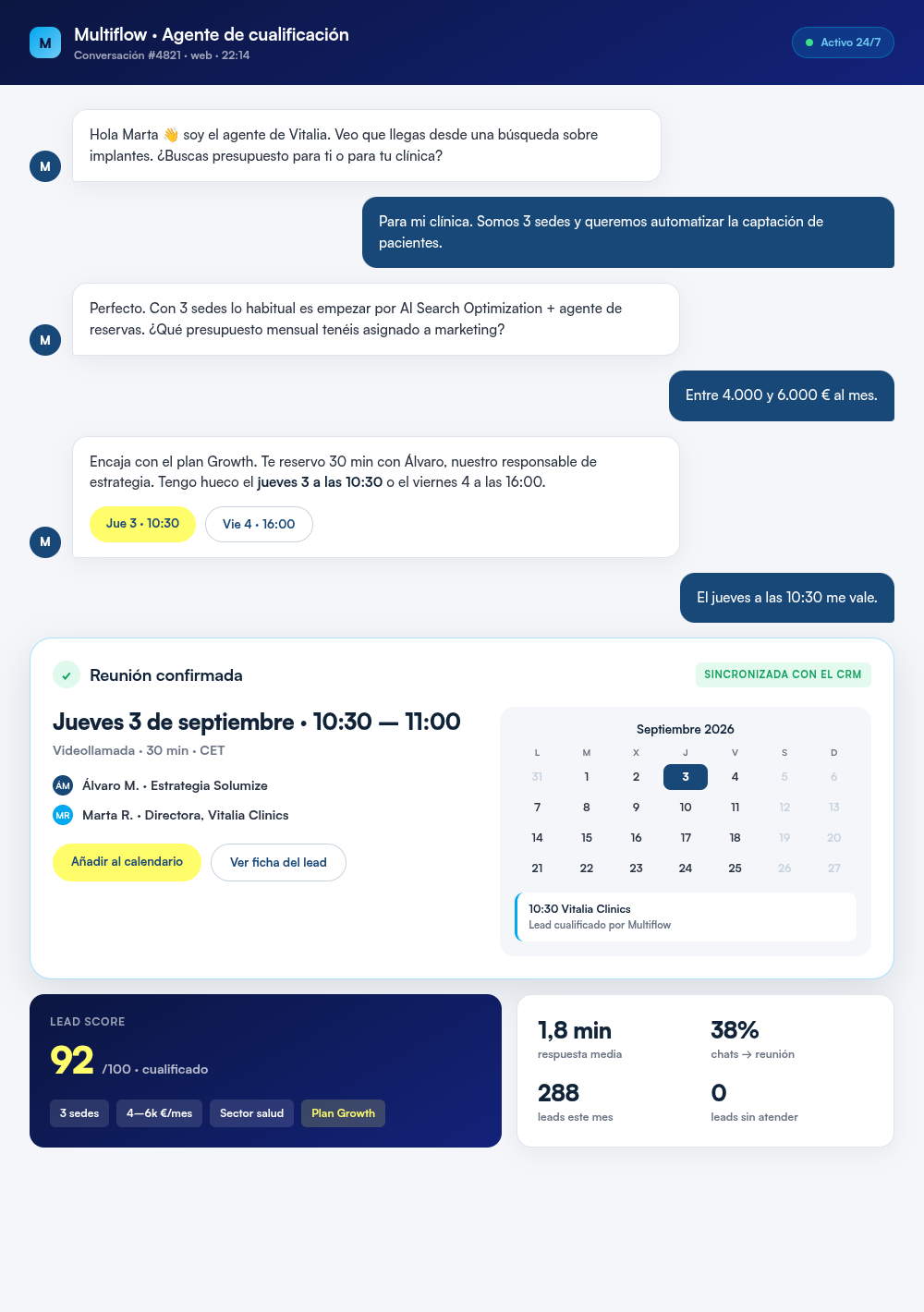
The New Engine of B2B Pipeline Generation
The way B2B companies generate pipeline has changed dramatically. Buyers research solutions at midnight, contact forms get submitted on weekends, and web visitors bounce in seconds if no one is there to engage them. Traditional Sales Development Representatives (SDRs) brilliant as they are simply cannot cover every moment of the buyer journey.
Enter the AI SDR: an artificial intelligence powered agent designed to do exactly what a human SDR does prospect, qualify, follow up, and book meetings but without the constraints of working hours, bandwidth limits, or burnout.
This guide breaks down everything you need to know about AI SDRs in 2026: what they are, how they work under the hood, where they outperform humans, where they fall short, and how to evaluate the right platform for your go to market team. Whether you're a VP of Sales, a Revenue Operations leader, a CMO, or a founder trying to scale pipeline without scaling headcount, this is the definitive resource.
1. What Is an AI SDR? (Full Definition)
An AI SDR short for Artificial Intelligence Sales Development Representative is an autonomous software agent that replicates and scales the core top of funnel activities traditionally performed by human SDRs. These activities include:
- Initiating outreach to inbound and outbound leads
- Qualifying prospects using predefined criteria such as ICP fit, intent signals, and engagement history
- Sending personalized follow up emails, chat messages, and multi step sequences
- Booking discovery calls or demo meetings directly onto sales reps' calendars
- Updating CRM systems like Salesforce or HubSpot with relevant lead data
- Nurturing leads that aren't yet sales ready through automated, contextual touchpoints
Unlike basic chatbots or marketing automation workflows that follow rigid if then logic, modern AI SDRs leverage large language models (LLMs), natural language processing (NLP), and machine learning to understand intent, personalize communication, and adapt their approach based on each prospect's behavior.
The result is a tireless digital sales rep that operates 24 hours a day, 7 days a week, 365 days a year engaging every lead with the speed, consistency, and personalization that buyers expect in today's market.
Key Term: AI SDRs are sometimes also called virtual SDRs, AI sales agents, AI BDRs (Business Development Representatives), or conversational AI sales tools, depending on their primary use case.
2. How Does an AI SDR Actually Work?
Understanding the mechanics behind AI SDRs helps you set realistic expectations and ask better questions when evaluating platforms. Here's a deeper look at the core technologies and processes:
2.1 Natural Language Processing (NLP) and Large Language Models (LLMs)
The conversational quality of an AI SDR depends heavily on the underlying language model. Modern AI SDRs are built on or integrated with LLMs like GPT 4, Claude, or proprietary models fine tuned on sales conversations. NLP enables the agent to understand the nuance in a prospect's message whether they're expressing interest, raising a concern, or asking a technical question and respond appropriately.
Crucially, these models improve over time. The more conversations an AI SDR has, the more data there is to refine its outputs, calibrate its tone, and improve conversion rates.
2.2 Intent Signals and Behavioral Data
A well configured AI SDR doesn't operate in a vacuum. It ingests behavioral signals from multiple data sources website visits, page depth, content downloads, email opens, ad clicks, product usage data (for PLG companies), and firmographic data from tools like 6sense, Bombora, Clearbit, or your CRM.
These signals allow the AI SDR to prioritize the right leads at the right moment, craft messages that reference what the prospect actually did ("I saw you were reading our enterprise security guide..."), and route high priority leads to human reps before they go cold.
2.3 Workflow Orchestration
AI SDRs don't just send a single message. They manage entire multi step, multi channel sequences: an initial website chat greeting, a follow up email 24 hours later if no meeting was booked, a LinkedIn touchpoint 48 hours after that. This orchestration layer ensures no lead falls through the cracks of a disjointed sales process.
2.4 CRM Integration and Data Hygiene
Every interaction an AI SDR has is automatically logged. Lead status updates, conversation summaries, qualification notes, and next step recommendations are pushed directly to your CRM, keeping your pipeline data clean and your human reps fully informed before they jump on a call.
3. AI SDRs vs. Human SDRs: An Honest Comparison
Let's be direct: AI SDRs are not a replacement for every human sales function. They are a force multiplier. Here's a clear eyed look at where each excels:
Where Human SDRs Excel
- Deep relationship building with strategic accounts
- Handling complex objections that require empathy and improvisation
- Navigating politically sensitive conversations inside enterprise organizations
- Researching and crafting truly bespoke outreach for tier 1 target accounts
- Representing your brand in live settings events, conferences, executive meetings
Where AI SDRs Win Every Time
- Speed to lead: responding to inbound inquiries in seconds, not hours
- Volume at scale: engaging thousands of leads simultaneously without degrading quality
- Consistency: delivering the same high quality experience to every prospect, regardless of time of day
- After hours coverage: capturing and qualifying leads during the 16 hour window when human reps are offline
- Impartiality: treating every lead as equally important, not just the ones most likely to hit quota
- Cost per engaged lead: dramatically lower than the fully loaded cost of a human SDR
The Turnover Problem AI SDRs Solve
SDR turnover is one of the most underestimated costs in B2B sales. Industry data consistently shows average tenures of 12–18 months, with more than half of SDRs leaving within a year. Every departure represents recruiting costs, onboarding time, lost productivity during ramp, and the institutional knowledge that walks out the door with the departing rep.
AI SDRs carry none of that baggage. They don't get poached by competitors, don't need quarterly incentive recalibrations, and maintain peak performance from day one to day one thousand.
The Speed to Lead Gap
Research from the Lead Response Management study shows that businesses are 21 times more likely to qualify a lead when they respond within the first five minutes. Yet the average human SDR team responds to new inbound leads in hours, not minutes especially when leads come in outside business hours.
AI SDRs eliminate this gap entirely. A prospect who fills out a demo request form at 11:47 PM on a Friday gets a personalized, intelligent response within seconds. That's the competitive edge AI delivers.
4. Inbound AI SDRs vs. Outbound AI BDRs
Not all AI sales agents are built alike. The two primary archetypes serve very different functions in your go to market motion:
Inbound AI SDRs
Inbound AI SDRs activate when a potential buyer raises their hand visiting key pages on your website, submitting a form, downloading a piece of content, attending a webinar, or requesting a demo. Their job is to immediately engage that warm intent signal and convert it into a booked meeting.
Core capabilities of inbound AI SDRs include:
- Real time website chat that greets high intent visitors with personalized messages
- Instant follow up on form fills, routing the right lead to the right rep automatically
- Lead nurture sequences for prospects who showed interest but didn't convert immediately
- Meeting scheduling directly within the conversation no back and forth email chains
- Dynamic content recommendations based on the prospect's browsing behavior and ICP profile
The critical metric for inbound AI SDRs is inbound conversion rate. A well deployed inbound AI SDR should meaningfully lift the percentage of ICP visitors who convert into qualified pipeline opportunities.
Outbound AI BDRs
Outbound AI BDRs go on offense. They identify target accounts and prospects that match your ICP, initiate cold outreach, and try to generate interest where none existed before. This is harder and requires richer data inputs.
Effective outbound AI BDRs use:
- Firmographic and technographic data to identify the right fit companies
- Intent data platforms to prioritize accounts actively researching solutions like yours
- Personalization tokens that reference the prospect's specific role, company news, or industry context
- Multi touch, multi channel sequences that extend across email, LinkedIn, and sometimes phone
The key caveat with outbound AI BDRs: the quality of your results scales directly with the quality of your data. Garbage in, garbage out. High quality ICP definitions, clean contact data, and meaningful intent signals are prerequisites for outbound AI success.
Pro Tip: The most sophisticated GTM teams deploy both using inbound AI SDRs to maximize conversion of warm traffic and outbound AI BDRs to penetrate cold target account lists simultaneously.
5. The Core Benefits and ROI of AI SDRs
Scalability Without Proportional Headcount Growth
Traditional sales scaling math is brutal: want 2x the pipeline? Hire 2x the SDRs. With AI SDRs, the relationship between pipeline growth and headcount cost is fundamentally decoupled. A single AI SDR platform can handle the workload that would previously require a team of 10–15 human reps simultaneously engaging different leads across different time zones in different languages.
24/7 Pipeline Coverage
Buyers don't operate on your business hours. Prospects research vendors at night, over weekends, and across time zones you don't have offices in. AI SDRs provide always on pipeline coverage, ensuring that every expression of buyer intent is met with an immediate, intelligent, personalized response.
Dramatically Reduced Cost Per Qualified Lead
The fully loaded annual cost of a human SDR in a major market salary, benefits, commissions, management overhead, seat licenses, training frequently exceeds $90,000–$120,000. And that's before accounting for the productivity cost of a 3–6 month ramp period. AI SDR platforms, by contrast, are typically priced as a SaaS subscription, often at a fraction of that cost, and they are fully productive from day one.
Hyper Personalized Outreach at Scale
One of the counterintuitive advantages of modern AI SDRs is that they can personalize outreach more consistently than humans can at scale. When an SDR is managing a list of 200 prospects, the quality of personalization inevitably degrades as the day goes on. An AI SDR maintains the same standard of personalization whether it's processing its first interaction or its ten thousandth.
Eliminating Lead Bias
Human SDRs, rationally responding to their quota incentives, focus disproportionate effort on the hottest leads. This means that potentially valuable leads enterprise accounts with a longer buying cycle, or mid market prospects who haven't yet shown strong intent signals get neglected. AI SDRs treat every lead as equally worthy of engagement, ensuring no opportunity is left behind.
Continuous Improvement Through Machine Learning
Unlike human reps who require ongoing coaching and training, AI SDRs improve automatically. Every interaction generates data that can be used to test new messaging, optimize send times, refine qualification criteria, and improve overall conversion rates creating a compounding performance advantage over time.
6. The Honest Challenges of AI SDRs
Any vendor that tells you AI SDRs are a perfect solution with no tradeoffs is selling you something. Here's what you should genuinely consider:
Data Quality Is Everything
An AI SDR is only as good as the data it operates on. If your CRM is full of duplicate records, outdated contact information, or poorly defined ICP criteria, your AI SDR will generate poor quality outreach and miss the leads that matter. Before deploying an AI SDR, invest in cleaning your data and sharpening your ICP definition.
Complex, High Stakes Conversations Still Need Humans
AI SDRs excel at the top of the funnel generating initial engagement, qualifying intent, and booking the first meeting. But once a conversation enters territory that requires genuine empathy, strategic negotiation, or nuanced relationship management, human involvement is essential. The best deployments treat AI SDRs as a handoff engine: qualifying leads and booking meetings so that your human AEs can focus on closing.
Brand Risk if Poorly Configured
An AI SDR that sends generic, robotic, or poorly timed messages can actively damage your brand. Prospects who receive an automated message that ignores their actual context or follows up too aggressively after they've expressed disinterest will form a negative impression that's hard to reverse. Thoughtful configuration, clear guardrails, and regular performance review are non negotiable.
Integration Complexity
To reach their full potential, AI SDRs need to be deeply integrated with your existing tech stack: your CRM, your marketing automation platform, your intent data providers, your calendar system, and your outreach tools. Integration complexity is real and should be evaluated carefully when choosing a platform.
7. AI SDR Use Cases Across the Buyer Journey
Website Visitor Engagement
High intent ICP visitors arrive on your pricing page or product comparison pages and leave without converting. An AI SDR proactively initiates a conversation, understands what they're looking for, answers objections in real time, and offers to book a demo all within the same session.
Inbound Lead Follow Up
A prospect submits a demo request at 2 AM on a Saturday. By the time your human SDR arrives on Monday morning, that lead has already spoken to a competitor. An AI SDR responds within seconds, begins the qualification process, and may have a meeting on the calendar before the human team even starts their day.
Post Event Lead Activation
Your team just returned from a major industry conference with 400 new badge scans. The AI SDR begins personalized outreach to every single one referencing the event, the conversation topic, or the content piece the contact downloaded at your booth within 24 hours. No lead goes cold while the human team recovers from the flight.
Webinar and Content Nurture
A prospect attends your webinar but doesn't request a demo. An AI SDR initiates a follow up sequence that references specific topics from the webinar, offers related content, and gradually moves the prospect toward a sales conversation over a period of days or weeks.
Re Engagement of Dormant Leads
Your CRM contains thousands of leads from previous campaigns that were never fully worked. AI SDRs can systematically re engage these dormant contacts with fresh, relevant messaging turning a neglected database into an active pipeline source.
8. How to Evaluate AI SDR Platforms: 10 Key Criteria
The AI SDR market has grown rapidly, and not all platforms are created equal. When evaluating solutions, focus on:
- 1. Native CRM integration bidirectional sync with Salesforce, HubSpot, or your system of record
- 2. Conversational AI quality does it feel natural, or robotic and generic?
- 3. Intent data integration can it ingest signals from 6sense, Bombora, G2, or your own behavioral data?
- 4. Channel coverage email only, or also website chat, LinkedIn, and SMS?
- 5. Meeting scheduling can it book directly, or just hand off to a human?
- 6. Inbound AND outbound capability or only one direction?
- 7. Analytics and reporting can you see pipeline influenced, meetings booked, and conversion rates?
- 8. Security and compliance SOC 2, GDPR, CCPA, and data residency options
- 9. Configuration flexibility can you define your own ICP, messaging, and escalation logic?
- 10. Time to value how quickly can the platform be deployed and generating results?
9. The Future of AI SDRs: Trends Shaping Sales Development in 2026 and Beyond
Agentic AI: From Reactive to Proactive
The next generation of AI SDRs will move beyond responding to inbound signals and start proactively identifying and pursuing pipeline opportunities. Agentic AI systems can browse the web, monitor company news, identify trigger events (new funding rounds, leadership changes, hiring spikes), and initiate timely, contextually relevant outreach entirely autonomously.
Voice AI Integration
Early AI SDR tools were text only. Emerging platforms are now integrating voice AI capabilities enabling AI SDRs to make and receive phone calls, conduct preliminary discovery conversations, and handle initial qualification entirely via voice. This dramatically expands the channel coverage and use cases for AI SDR technology.
Deeper Personalization Through Multimodal AI
Future AI SDRs will go beyond text personalization. They will reference LinkedIn activity, analyze public content from the prospect's company, monitor news mentions, and synthesize all of that into highly relevant, genuinely contextual outreach that feels nothing like mass automation.
Human AI Collaboration Models
Rather than debating whether AI replaces or supplements human SDRs, leading GTM teams are building coordinated human AI collaboration models. AI handles the high volume, time sensitive top of funnel work. Humans handle the strategic, relationship intensive mid funnel work. Together, they create a pipeline engine that neither could build alone.
Revenue AI Across the Full Funnel
AI SDRs are the most visible manifestation of a broader shift: AI is moving into every stage of the revenue process. AI is being used for forecasting, deal coaching, competitive intelligence, territory planning, and customer success. The AI SDR is often a company's first step into this world and the results it generates typically accelerate AI adoption across the entire go to market function.
10. Building Your AI SDR Strategy: A Practical Starting Framework
Deploying an AI SDR isn't just a software decision it's a strategic one. Here's a practical framework to get started:
Step 1: Define Your ICP with Precision
Your AI SDR is only as smart as the targeting criteria you give it. Before deployment, document your Ideal Customer Profile in detail: industry, company size, revenue range, tech stack, geography, job titles, and the behavioral signals that indicate buying intent. Vague ICPs produce vague results.
Step 2: Audit Your Data
Pull a data quality report from your CRM. Identify duplicate records, outdated contacts, missing fields, and poorly segmented lead sources. A clean data foundation is the single biggest predictor of AI SDR success.
Step 3: Define Your Messaging Framework
Your AI SDR will generate personalized messages but it needs guardrails. Define your core value propositions, your tone of voice, the objections you want it to handle, the escalation triggers that should route a conversation to a human, and the specific calls to action for each stage of the funnel.
Step 4: Start With One High Impact Use Case
Don't try to deploy AI SDR capabilities across your entire pipeline at once. Pick one high impact, clearly defined use case inbound demo request follow up is often the best starting point and optimize it before expanding. Measure carefully, iterate quickly, and build confidence in the system before scaling.
Step 5: Establish Human AI Handoff Protocols
Define exactly when and how the AI SDR transfers a conversation to a human rep. What signals trigger escalation? Who gets notified? How is context transferred? A seamless handoff is critical to maintaining the buyer experience and ensuring no momentum is lost.
Step 6: Measure, Optimize, Expand
Set clear KPIs before you launch: response rates, qualification rates, meetings booked, pipeline influenced, cost per qualified opportunity. Review performance weekly in the early stages, make iterative improvements, and expand to additional use cases as you build confidence.
Conclusion: The AI SDR Is No Longer Optional
The competitive dynamics of B2B sales have shifted permanently. Buyers expect immediate, relevant, personalized engagement at any hour, on any channel. Companies that can deliver that experience will win. Companies that rely exclusively on human SDRs constrained by business hours, bandwidth limits, and high turnover will increasingly lose opportunities to competitors who have made the AI investment.
AI SDRs are not a technology experiment anymore. They are a core component of the modern B2B revenue stack. The question is no longer whether to deploy one it's how to deploy one strategically, what data foundation to build beneath it, and how to integrate it effectively with your human team.
The teams that crack that equation will build pipeline advantages that compound over time. The ones that wait will find themselves playing catch up.
Ready to get started? Evaluate AI SDR platforms against the 10 criteria outlined in Section 8, start with your highest impact inbound use case, and give your team the competitive edge that only always on, AI powered pipeline generation can deliver.